ON NOW:
Speculative Origins| group show
Joey Holder / Iris Apostolou / Emma Papworth / Minghao Wu
9 - 31 October 2026, Fridays & Saturdays 12-6pm, Alt_R
Probability Clouds: Body in a Potential Field [ H, H′ ] | group show
Sirarpi Chibukhchyan / Asuf Ishaq / Harun Morrison / Hessam Samavatian / James Sibley / Abbas Zahedi
2 October - 22 November 2026, Friday, Saturday & Sundays 12-6pm, Gossamer Fog
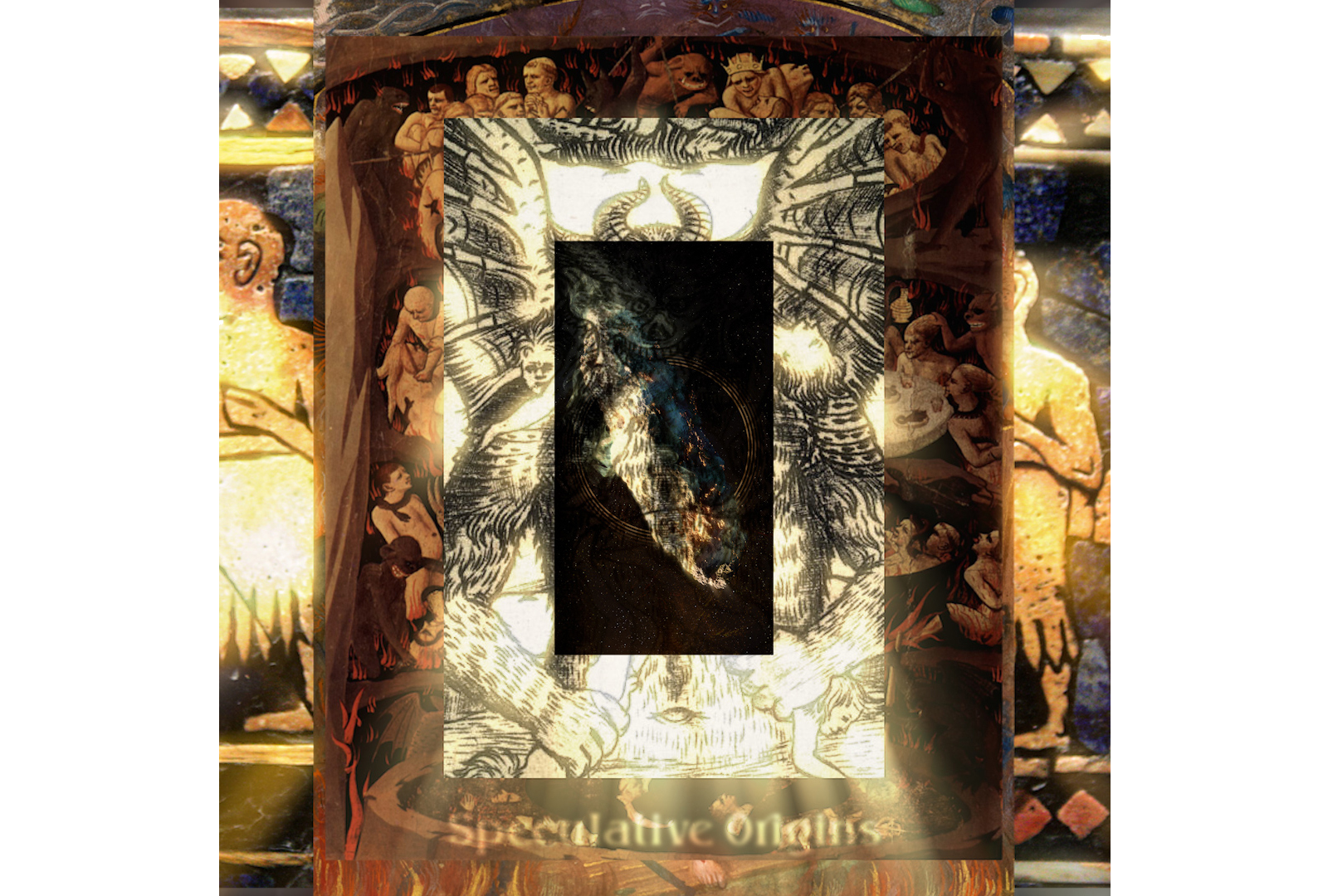
Speculative Origins
9 - 31 October 2026
Fridays & Saturdays 12-6pm
Location: Alt_R
Joey Holder / Iris Apostolou / Emma Papworth / Minghao Wu
3i/ATLAS - the name of a comet which passed through our solar system almost exactly a year before the opening of this exhibition - suspected to be older than the Solar System itself.
Speculative Origins takes this idea - an object approaching the earth from unknown origins and across such a remote and alien dimension of space and time - as its starting point for examining the proliferation of speculative origins and heretical outsider forms of knowing.
Speculative Origins examines what else is re-revealed in these twisted theories of knowing; the hall-of-mirrors truths tapped into by conspiracists understandings, and what happens when we imagine ourselves within other outside genealogies and folkloric epistemologies; the product of alien, infernal or extradimensional origins.
This exhibition launched as part of our recent XP+10 Weekender, celebrating 10 years of Gossamer Fog.
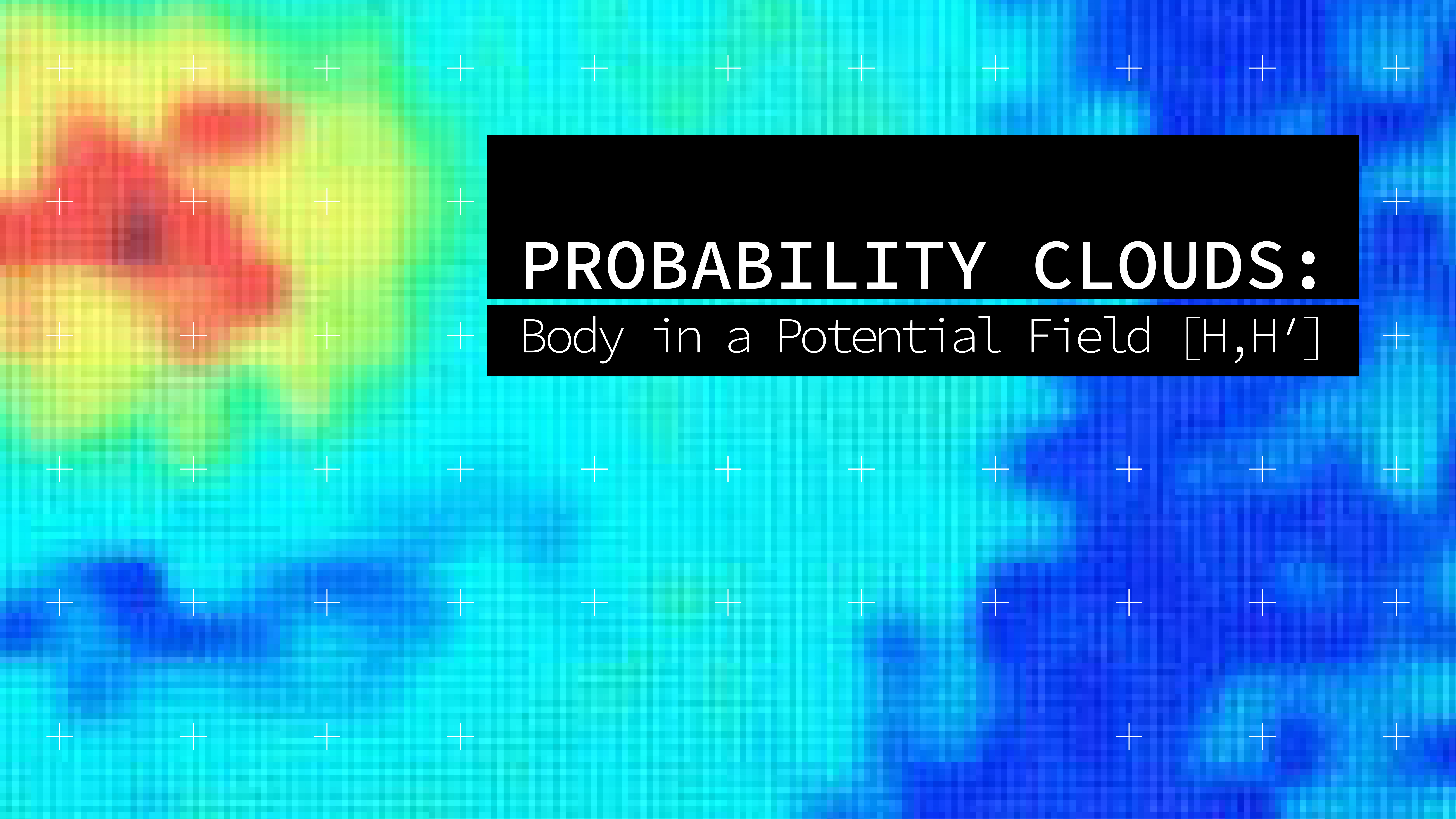
Probability Clouds: Body in a Potential Field [ H, H′ ]
2nd October - 22 November 2026
Friday, Saturday & Sundays 12-6pm
Location: Gossamer Fog
Sirarpi Chibukhchyan / Asuf Ishaq / Harun Morrison / Hessam Samavatian / James Sibley / Abbas Zahedi
Curated by Tarlan Lotfizadeh, our first in vitro Fellow.
In quantum mechanics, the state of a particle - prior to observation or measurement - is defined not as a discrete coordinate, but as a probability density. The particle is described by a spatial distribution characterized by regions of varying probability density. This distribution defines the probability of locating the particle in space without any definitive geometric boundary. At this scale, matter is not a precise location, but a scalar field of potentiality within space.
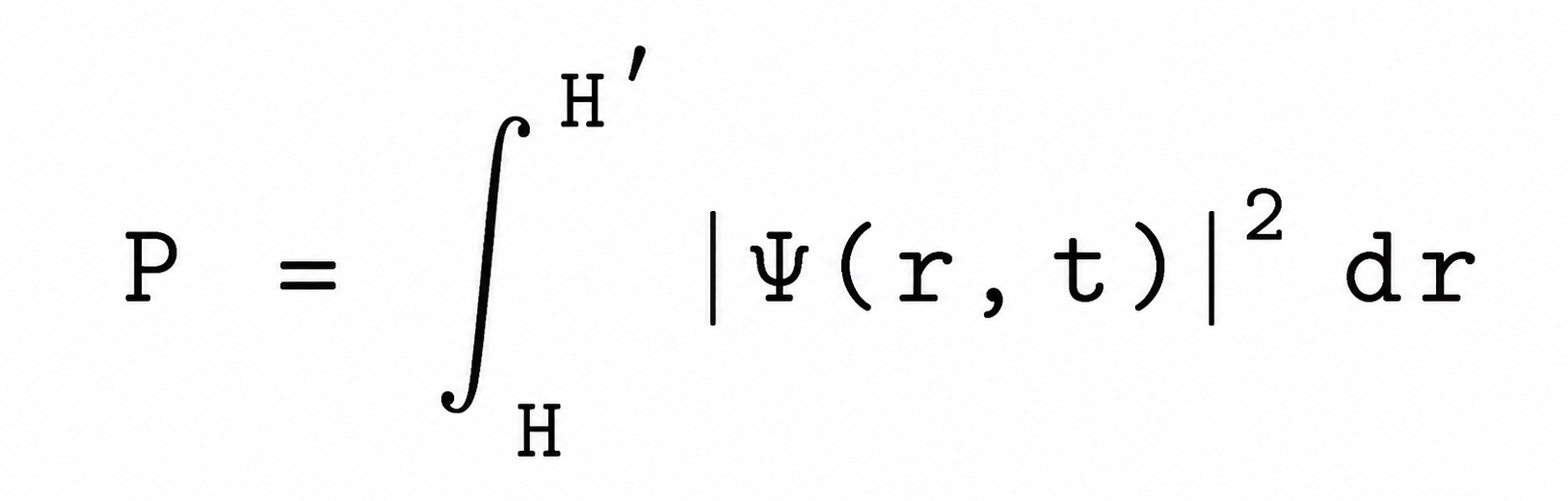
H → Home
H′ → Home Prime
The prime symbol (′) is often used to indicate a modified, transformed, or shifted state of a variable. The integral (∫) attempts to measure the probability of the body’s presence within the field between H and H′.
The migrant body begins to lose the boundaries of the self
by crossing the borders of the motherland.
It no longer ends at the skin.
it leaks into space.
A collection of particles,
scattered.
a cloud of probabilities.
Neither here nor there.
both here and there.
Having left Home,
the body enters a state of permanent uncertainty.
it is no longer possible,
in any given moment,
to define a precise location.
having entered an indeterminate state of
spatial dispersion and
potentiality.
a cloud-like presence
in the geography of
Home and Home′
and
somewhere in between.